
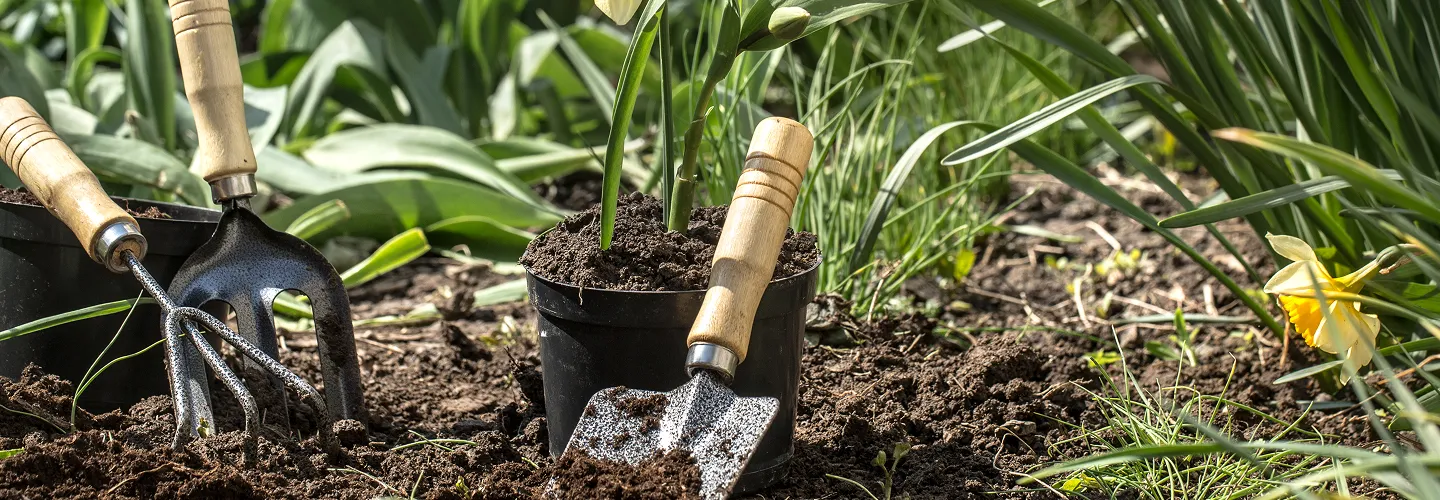
Pine Manor Flower Bed Maintenance Services
Choose our Flower Bed Maintenance for expert care that keeps your garden healthy, colorful, and weed-free all season long—so you can enjoy stunning flower beds without the hassle.
Get a Free QuoteOur Pine Manor Landscaping & Yard Care Services
When to Schedule Flower Bed Maintenance in Pine Manor, Florida – Seasonal Guide
In Pine Manor, Florida, the timing of flower bed maintenance is crucial for keeping your landscape vibrant and healthy throughout the year. Thanks to our subtropical climate, with warm, humid summers and mild winters, most flower beds benefit from scheduled care in early spring and late fall. These periods allow for optimal planting, mulching, and pruning, as the risk of frost is minimal and rainfall is more predictable. Neighborhoods near Page Field and the Pine Manor Community Center often experience microclimates due to varying shade coverage and proximity to water, which can influence the best times for maintenance.
Local environmental factors such as sandy soils, high humidity, and occasional drought conditions play a significant role in determining when to schedule services. For example, areas with dense tree canopies, like those near Hunter Park, may require more frequent debris removal and soil amendments. It's also important to consider municipal guidelines and seasonal watering restrictions, which can be found on the Town of Sudbury's official website, to ensure your maintenance schedule aligns with local regulations.
Local Factors to Consider for Flower Bed Maintenance in Pine Manor
- Tree density and shade coverage, especially in neighborhoods with mature oaks and palms
- Soil type, with sandy and well-draining soils common throughout Pine Manor
- Seasonal precipitation patterns and risk of drought
- Proximity to landmarks or water features that may affect microclimates
- Municipal restrictions on watering and landscaping activities
- Terrain variations, such as sloped yards or low-lying areas prone to pooling water
Benefits of Flower Bed Maintenance in Pine Manor
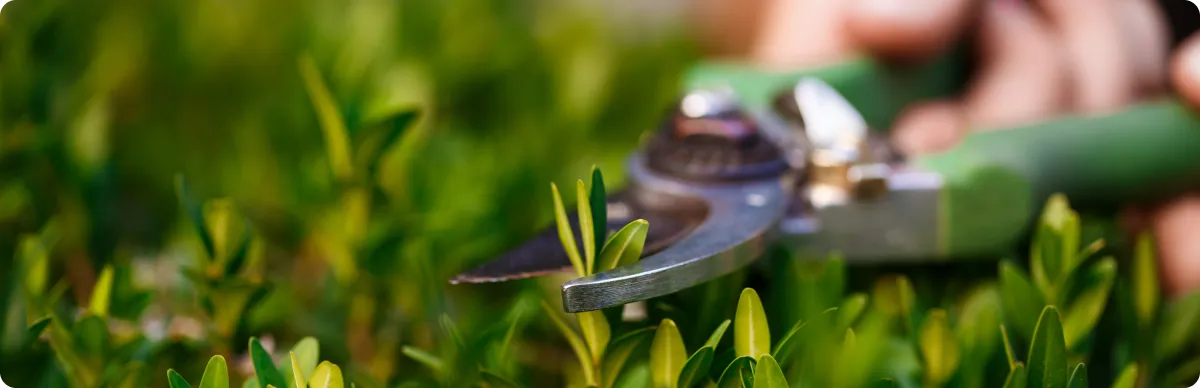
Enhanced Curb Appeal
Weed and Pest Control
Healthier Plants
Seasonal Color Management
Professional Expertise
Time and Effort Savings
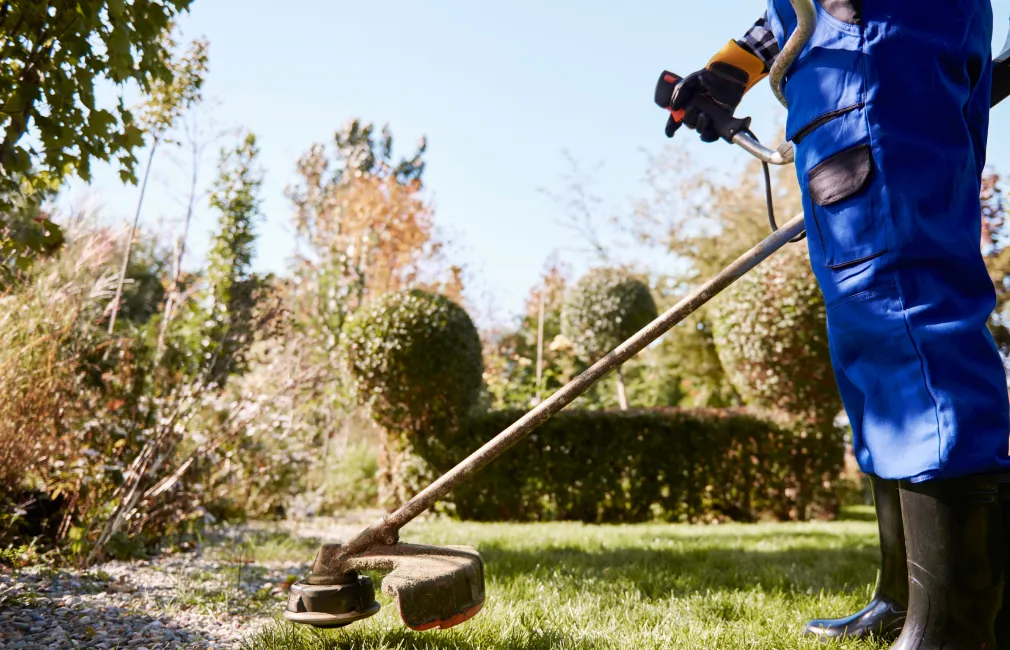
Pine Manor Flower Bed Maintenance Types

Seasonal Flower Planting
-
Weed Control Services
-
Mulching and Soil Conditioning
-
Pruning and Deadheading
-
Fertilization Programs
-
Pest and Disease Management
-
Edging and Bed Redefining
Our Flower Bed Maintenance Process
Site Evaluation
Weed Removal
Soil Cultivation
Mulching
Plant Health Inspection
Why Choose Pine Manor Landscape Services
-
Pine Manor Homeowners Trust Us
-
Expert Lawn Maintenance
-
Reliable Seasonal Cleanups
-
Competitive Pricing
-
Professional Team
-
Satisfaction Guarantee
-
Personalized Service
Coordinating Flower Bed Maintenance with Lee County Services in Pine Manor
Pine Manor is an unincorporated census-designated place in Lee County, meaning residents coordinate landscape-related services through county departments rather than a municipal government. For flower bed maintenance, this coordination touches on yard waste disposal, stormwater protection, and public greenspace standards. Vegetative debris generated from bed cleanups—spent annuals, pulled weeds, trimmed perennials, and old mulch—must be handled according to Lee County's solid waste collection guidelines. Residents and property managers should verify current curbside pickup rules for bundled or containerized green waste through Lee County's waste management resources before placing material at the curb.
- Flower bed trimmings, deadheaded blooms, and removed plant material should be separated from household waste and prepared for vegetative debris collection.
- Soil, mulch runoff, and organic debris must be kept out of roadside swales, drainage ditches, and storm inlets to protect downstream water quality.
- Properties adjacent to county-maintained rights-of-way should confirm setback and planting restrictions before installing raised beds or border plantings near the road edge.
Lee County Parks and Recreation
Official Website: Lee County Parks and Recreation
Lee County Department of Community Development
Official Website: Lee County Department of Community Development
How Pine Manor's Gulf Coast Climate Shapes Flower Bed Health and Maintenance
Pine Manor sits within the Gulf Coast Florida climate zone, classified in USDA Hardiness Zone 10a, where subtropical heat, high humidity, and a pronounced wet season from June through October define the growing environment. These conditions directly affect every aspect of flower bed upkeep, from irrigation scheduling to pest and disease pressure.
- Sandy, low-organic soils: The predominant soils in the Pine Manor area are sandy and drain rapidly, which accelerates nutrient leaching. Flower beds require regular mulch replenishment and may benefit from slow-release fertilizer formulations to retain nutrients in the root zone rather than losing them to groundwater.
- Intense summer rainfall: Wet-season downpours can wash mulch from beds, expose root systems, and create standing water in poorly graded planting areas. Beds should be graded to shed excess water without directing sediment-laden runoff toward swales or storm drains.
- Heat and humidity stress: Sustained temperatures above 90°F combined with high humidity promote fungal diseases such as root rot and leaf spot in ornamental plantings. Overhead irrigation should be minimized in favor of drip emitters or micro-sprayers that keep foliage dry.
- High water table: Many areas of Pine Manor sit close to the regional water table, which can saturate bed soils during the wet season and limit root-zone oxygen for sensitive ornamentals.
Navigating Lee County Regulations for Flower Bed Maintenance in Pine Manor
Because Pine Manor falls under Lee County jurisdiction, regulatory compliance for flower bed maintenance involves county-level codes and state environmental standards rather than city ordinances. Property owners and landscape professionals should be aware of several overlapping requirements.
- Fertilizer use: Lee County's fertilizer ordinance restricts the application of nitrogen and phosphorus fertilizers during the summer rainy season. Residents should verify the current blackout period and application rates through the county or the Florida-Friendly Fertilizer Ordinances resource before treating flower beds. Florida Statutes §403.9337 establishes the model ordinance framework that Lee County follows.
- Pesticide licensing: Any commercial applicator treating flower beds with herbicides, fungicides, or insecticides must hold a valid license through the Florida Department of Agriculture and Consumer Services. Unlicensed application of restricted-use products is a violation of Chapter 487, Florida Statutes.
- Stormwater compliance: Flower bed maintenance activities that disturb soil, redirect drainage, or introduce chemicals near swales, retention ponds, or canal banks must comply with the Florida DEP NPDES Stormwater Program. Mulch, soil amendments, and fertilizer granules must not enter stormwater conveyance systems.
Lee County Utilities
Official Website: Lee County Utilities
Timing Flower Bed Maintenance Around Pine Manor's Wet Season and Heat Cycles
Professional flower bed maintenance in Pine Manor follows seasonal rhythms dictated by the Gulf Coast climate. Proper timing of each task reduces plant stress, limits chemical runoff, and extends the visual life of ornamental plantings.
- Seasonal replanting: Cool-season annuals such as petunias, snapdragons, and dianthus are typically installed between late October and early March, when nighttime temperatures drop below 70°F. Warm-season selections including pentas, lantana, and vinca tolerate the summer heat and humidity that characterize Pine Manor from May through September.
- Mulch replenishment: Mulch should be refreshed to a depth of approximately two to three inches after the heaviest wet-season rains subside, typically in late October or November. Applying mulch too early in the rainy season risks displacement and waste.
- Deadheading and cleanup: Spent blooms and decaying foliage should be removed on a regular cycle—generally every two to four weeks during peak growing months—to reduce fungal habitat and maintain bed appearance.
- Irrigation management: Drip irrigation or micro-spray emitters should be inspected monthly during the dry season (November through May) to ensure uniform coverage. Watering schedules should align with the South Florida Water Management District's current restrictions, which residents can confirm through EPA WaterSense outdoor guidance and county utility notices.
- Weed suppression: Pre-emergent treatments in flower beds are most effective when applied before the spring warm-up in February or March and again before fall weed flushes. Hand weeding after rain events prevents seed establishment in freshly disturbed mulch.
What Neighborhoods Do We Serve Throughout Pine Manor, FL?
- Pine Manor proper — The core residential area features smaller lots with mature tropical plantings, where flower beds often border driveways and front walkways requiring frequent weed control and mulch management in sandy soils.
- Suncoast Estates — Located nearby with mixed residential lot sizes, this area includes properties with established ornamental beds that benefit from seasonal replanting and irrigation emitter maintenance due to rapid soil drainage.
- Villas of Pine Manor — Multi-family and townhome-style properties in this area often maintain shared flower beds along entryways and common areas, requiring coordinated maintenance schedules and HOA-compliant planting selections.
- Page Park — Adjacent residential sections near Page Field feature properties with larger setbacks and more expansive bed areas, where mulch displacement during wet-season storms and heat stress on ornamentals are common maintenance concerns.
- Colonial Acres — This established neighborhood includes older residential lots with mature shade trees that create partial-shade bed conditions, influencing plant selection toward shade-tolerant species such as impatiens and caladiums.
- Palmetto Pines — Properties in this area frequently border drainage swales and low-lying areas, making stormwater-conscious bed maintenance—including proper mulch containment and fertilizer setback practices—particularly important.