
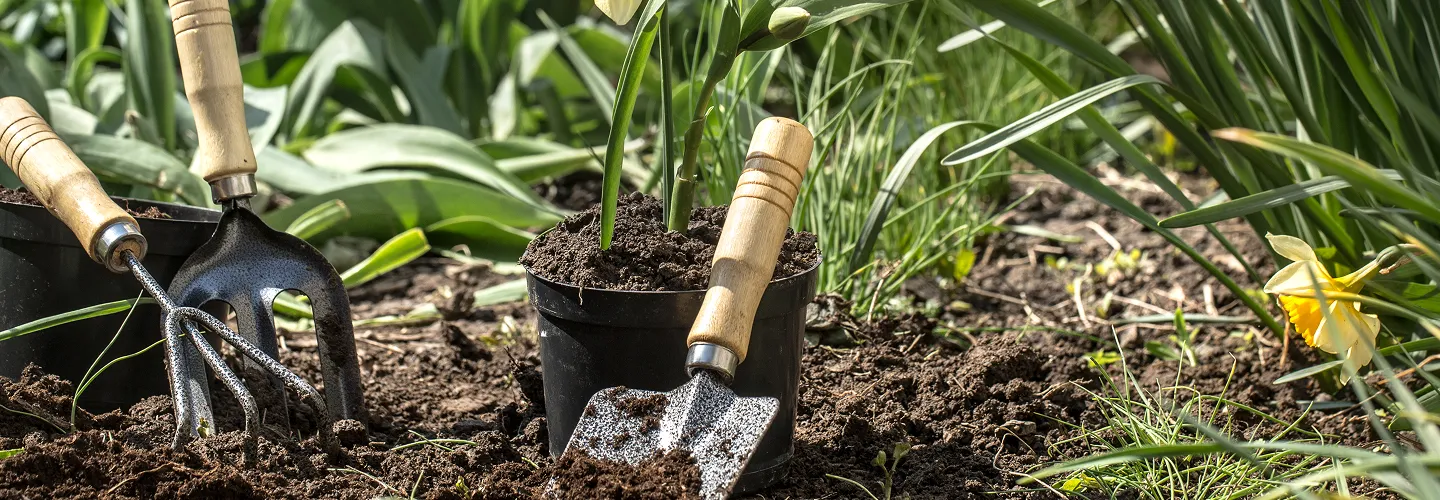
Pine Manor Flower Planting Services
Choose Pine Manor for vibrant, expertly arranged flower beds that boost your home's curb appeal and create a welcoming outdoor retreat—our experienced team ensures every planting thrives in your unique landscape.
Get a Free QuoteOur Pine Manor Landscaping & Yard Care Services
When to Schedule Flower Planting in Pine Manor, Florida – Seasonal Guide
Flower planting in Pine Manor, Florida, is best scheduled with careful attention to the region’s subtropical climate and unique landscape features. The optimal planting windows are typically late winter through early spring and again in early fall, when temperatures are moderate and rainfall is more predictable. These periods allow new blooms to establish strong roots before the intense summer heat or occasional winter chills. Neighborhoods near Page Field and the shaded streets of Pine Manor benefit from microclimates that can extend the planting season, but it’s important to monitor local frost dates and soil moisture levels closely.
Local environmental factors such as high humidity, sandy soils, and the risk of drought during late spring and summer months play a significant role in determining the best time for flower planting. Areas with dense tree coverage, like those near Hunter Park, may require shade-tolerant varieties and careful planning to ensure adequate sunlight. For more detailed information on local planting guidelines and municipal considerations, visit the official Pine Manor resource.
Local Factors to Consider for Flower Planting in Pine Manor
- Proximity to mature trees and resulting shade coverage
- Soil type (sandy, well-draining soils are common)
- Average precipitation and seasonal drought risk
- Local frost dates (typically rare but possible in winter)
- Terrain and drainage patterns, especially near canal areas
- Municipal restrictions or HOA guidelines on landscaping
Benefits of Flower Planting in Pine Manor
Enhanced Curb Appeal
Increased Property Value
Expert Plant Selection
Seasonal Color Variety
Low-Maintenance Solutions
Eco-Friendly Landscaping
Pine Manor Flower Planting Types

Perennial Flower Beds
-
Annual Flower Displays
-
Native Wildflower Gardens
-
Shade Garden Plantings
-
Pollinator-Friendly Borders
-
Seasonal Bulb Plantings
-
Container Flower Arrangements
Our Flower Planting Process
Site Evaluation
Soil Preparation
Flower Selection
Planting
Watering and Mulching
Why Choose Pine Manor Landscape Services
-
Pine Manor Homeowners Trust Us
-
Expert Lawn Maintenance
-
Reliable Seasonal Cleanups
-
Competitive Pricing
-
Professional Team
-
Satisfaction Guarantee
-
Personalized Service
Coordinating Flower Planting Projects with Lee County Departments in Pine Manor
Pine Manor is an unincorporated census-designated place in Lee County, meaning all land-use oversight, landscaping guidance, and public-space coordination fall under county-level departments rather than a municipal government. Residents and property managers planning flower planting projects should coordinate with Lee County's Department of Community Development when site work involves changes to landscaping within development-regulated areas, frontage zones, or properties subject to site-plan conditions. For properties adjacent to county-maintained parks, medians, or greenways, the Lee County Parks and Recreation Department can clarify planting standards that apply to public-facing landscape buffers.
- Verify whether your property falls within a zoning overlay or planned development that imposes specific landscaping requirements before selecting flower species or bed locations.
- Confirm irrigation source availability—potable versus reclaimed water—through Lee County Utilities, as reclaimed water chemistry can influence flower species selection.
- Properties near swales, drainage easements, or canal rights-of-way should avoid planting beds that obstruct stormwater flow or introduce soil amendments into drainage infrastructure.
Lee County Department of Community Development
1500 Monroe Street, Fort Myers, FL 33901
Official Website: Lee County Department of Community Development
Lee County Parks and Recreation
3410 Palm Beach Boulevard, Fort Myers, FL 33916
Official Website: Lee County Parks and Recreation
How Pine Manor's Gulf Coast Soils and Climate Shape Flower Planting Success
Pine Manor sits within USDA Hardiness Zone 10a, placing it firmly in the subtropical Gulf Coast corridor of Southwest Florida. This classification means that most tropical and subtropical flowering species can be planted year-round, but site-specific soil and moisture conditions in Pine Manor demand careful preparation. The area's predominant soils are sandy, poorly structured, and drain rapidly, which leads to nutrient leaching—particularly nitrogen and potassium—within days of application. Organic matter content is typically very low, requiring amendment with composted material to improve moisture retention and root-zone stability.
- Heat intensity: Summer air temperatures regularly exceed 90°F, and radiant heat from driveways, sidewalks, and parking areas can push soil surface temperatures well above ambient levels, stressing shallow-rooted annuals.
- Humidity and fungal pressure: Sustained humidity above 80 percent during the wet season (June through October) promotes foliar diseases such as powdery mildew and botrytis in susceptible flower species.
- High water table: Many Pine Manor lots sit on low-elevation terrain with a seasonally high water table, which can saturate root zones during heavy rain events and cause root rot in species that require well-drained conditions.
- Salt exposure: While Pine Manor is not directly on the coast, proximity to tidal waterways means occasional salt-laden wind events can damage sensitive blooms, making salt-tolerant species a practical consideration.
The USDA Plant Hardiness Zone Map and the USDA Web Soil Survey are authoritative tools for confirming zone classification and soil series data before selecting flower varieties.
Navigating Pine Manor's Zoning and Environmental Compliance for Flower Planting
Flower planting on residential and commercial properties in Pine Manor is governed by Lee County's land development code, which includes provisions for landscaping within required buffer areas, setback zones, and frontage strips. While routine flower bed installation on private residential lots does not typically require a permit, properties under active site-plan approval or within planned developments may have enforceable landscape plans that dictate species type, bed placement, and irrigation coverage. Property owners should verify current zoning conditions through Lee County Zoning before altering landscaping in regulated areas.
- Any soil amendment, fertilizer, or pesticide applied during flower planting must comply with Florida Statutes §403.9337, which establishes the model ordinance framework for Florida-Friendly fertilizer use on urban landscapes.
- Commercial applicators handling pesticides or regulated soil treatments during planting must hold valid credentials through the FDACS Pesticide Applicator Certification and Licensing program.
- Flower beds installed near swales, retention ponds, or canal banks must not introduce excess soil, mulch, or nutrient-laden runoff into stormwater conveyance systems, consistent with the Florida DEP NPDES Stormwater Program.
Lee County Zoning
1500 Monroe Street, Fort Myers, FL 33901
Official Website: Lee County Zoning
Timing and Methods for Flower Planting in Pine Manor's Subtropical Growing Seasons
Professional flower planting in Pine Manor follows a two-season framework shaped by the area's wet and dry periods. The dry season, roughly November through May, is the preferred window for establishing most flowering annuals and perennials because lower rainfall reduces transplant shock, fungal pressure, and soil saturation risk. Warm-season tropicals such as pentas, lantana, plumbago, and firebush can be installed during the wet season if drainage is adequate and irrigation is managed to avoid overwatering already-saturated beds.
- Soil preparation: Amend native sandy soils with composted organic matter to a depth of six to eight inches before planting. This improves water-holding capacity and provides a nutrient base that resists the rapid leaching common in Pine Manor's soils.
- Irrigation coverage: Drip emitters or micro-spray heads are preferred over overhead irrigation for flower beds, as they reduce foliar moisture, limit fungal exposure, and deliver water directly to root zones. Residents should confirm current watering restrictions through Lee County Utilities and the applicable South Florida Water Management District schedule.
- Mulch application: Apply two to three inches of organic mulch around planted flowers, keeping mulch pulled back from stems to prevent crown rot. Mulch moderates soil temperature, suppresses weeds, and reduces irrigation frequency.
- Species selection: Choose flowers rated for Zone 10a that tolerate high humidity and periodic heavy rain. Reliable performers in Pine Manor include blanket flower, African iris, society garlic, crossandra, and bulbine.
What Neighborhoods Do We Serve Throughout Pine Manor, FL?
- Pine Manor proper — The core residential area features compact lots with sandy soils and limited irrigation infrastructure, making drought-tolerant flower species and efficient drip systems essential for sustained planting success.
- Suncoast Estates — Located nearby with slightly larger lots, this area often has mature tree canopy that creates partial shade conditions suited to impatiens, caladiums, and other shade-tolerant flowering plants.
- Tice — An adjacent unincorporated community with mixed residential and commercial parcels where flower planting along frontage zones may be subject to Lee County landscape buffer requirements.
- Cypress Lake — Properties in this area frequently border canal systems and retention areas, requiring careful bed placement to prevent soil and mulch migration into stormwater infrastructure.
- Villas — A nearby community with established HOA-governed subdivisions where flower planting palettes may need to conform to association-approved species lists and color standards.
- Page Park — This area includes older residential lots with compacted fill soils that benefit from deeper soil amendment before flower installation to ensure adequate root development and drainage.